
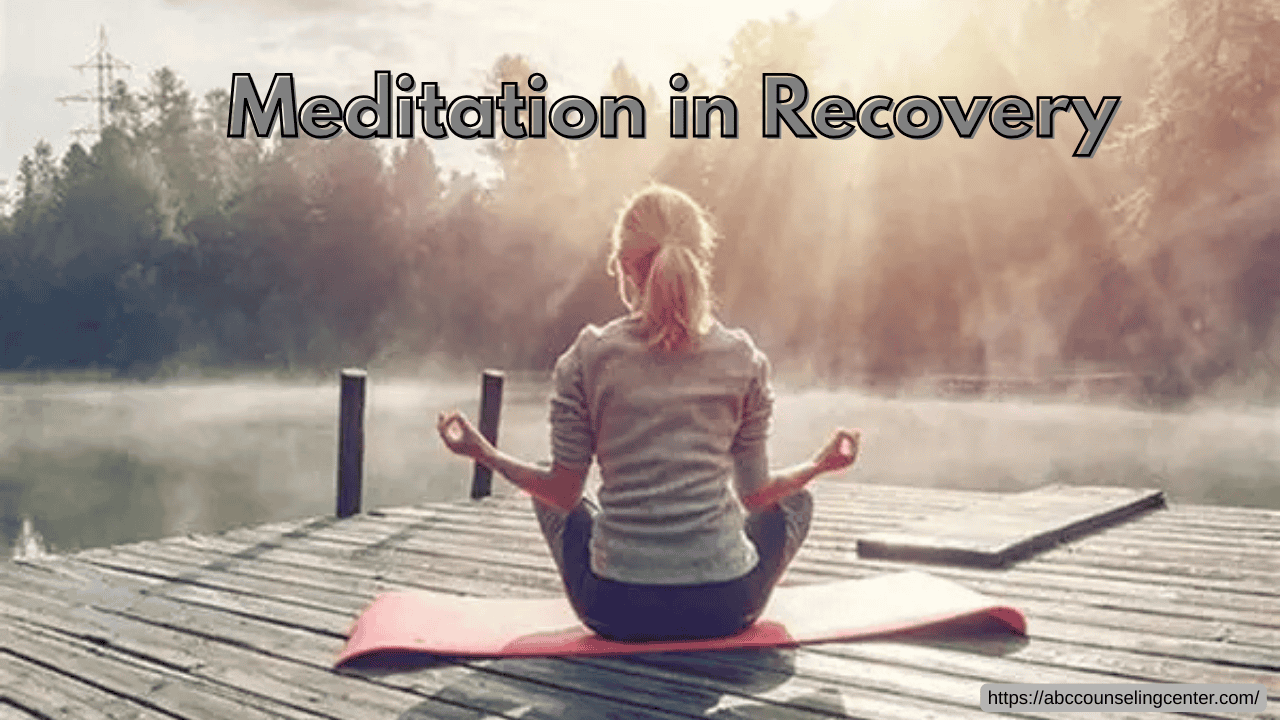
Recovering from substance dependence is a complex journey that requires more than simply stopping the use of drugs or alcohol. Addiction affects the mind, body, and spirit, leaving many individuals struggling with stress, cravings, and emotional instability. Meditation is a powerful tool that addresses these challenges, helping people regain clarity, calm, and control. At ABC Counseling Center, we integrate meditation into our holistic, faith-based, and individualized treatment programs to support lasting recovery and personal transformation.
The Role of Meditation in Recovery
Meditation is a practice that cultivates focused attention, awareness, and presence. In addiction recovery, it provides individuals with a structured way to manage cravings, process emotions, and strengthen mental resilience. By combining meditation with counseling, medical care, and supportive community, clients can build the foundation for sustainable sobriety.
Managing Cravings and Impulses
Cravings are a common challenge in recovery, often triggered by stress, environmental cues, or emotional distress. Meditation teaches individuals to observe these urges without reacting automatically. By practicing mindful breathing and awareness exercises, clients learn to pause, reflect, and choose a healthier response, reducing the risk of relapse.
Enhancing Emotional Regulation
Substance dependence often masks deeper emotional struggles such as anxiety, depression, or unresolved trauma. Meditation allows individuals to face these emotions safely, cultivating self-compassion and emotional balance. Over time, this practice strengthens the ability to cope with difficult feelings without resorting to substance use.
Supporting Neuroplasticity and Mental Clarity
Scientific research shows that meditation encourages neuroplasticity, the brain’s ability to form new neural connections. For individuals in recovery, this means the mind can gradually shift away from patterns of compulsive behavior toward healthier thought and behavior patterns. Meditation also improves focus, attention, and clarity, helping clients navigate daily challenges with greater ease.
Integrating Meditation into Personalized Treatment
At ABC Counseling Center, meditation is incorporated into both inpatient and outpatient programs. Our holistic and faith-based approach ensures that each client’s meditation practice aligns with their individual needs, beliefs, and recovery goals.
Practical Meditation Techniques
- Breathing Exercises: Simple yet effective techniques that center attention and calm the nervous system.
- Mindfulness Practice: Observing thoughts and sensations without judgment to reduce impulsivity and anxiety.
- Guided Meditation: Structured sessions led by trained professionals to teach focus and emotional awareness.
- Spiritual Reflection: Meditation that includes prayer or contemplation to foster spiritual growth and connection.
Clients are encouraged to practice meditation consistently, building it into their daily routines to support long-term emotional and mental well-being.
The Holistic Approach to Healing
Meditation is most effective when combined with other recovery supports. At ABC Counseling Center, we offer a comprehensive approach that includes mental health treatment, counseling, community support, and faith-based guidance. This whole-person focus helps clients rebuild their lives from the inside out, addressing the root causes of addiction rather than just the symptoms.
Taking the First Step Toward Freedom
Freedom from substance dependence is achievable, and meditation is a powerful tool on the path to lasting recovery. By cultivating breath, awareness, and mindfulness, individuals can reduce stress, manage cravings, and strengthen their emotional resilience.
If you or a loved one is ready to take the next step, ABC Counseling Center provides compassionate, individualized care designed to support lasting healing. Contact us today to learn more about our holistic, faith-based programs and how meditation can become a cornerstone of your recovery journey.